Maintaining long-term independence requires thoughtful lifestyle choices that support physical health, mental well-being, and social engagement. Prioritizing these aspects can help individuals preserve their autonomy and quality of life as they age. One of the fundamental pillars is physical activity. Regular exercise strengthens muscles, improves balance, and enhances cardiovascular health, reducing the risk of falls and chronic diseases that often lead to dependency. Activities such as walking, swimming, or yoga can be adapted to different fitness levels and provide sustainable ways to stay active over time.
Nutrition also plays a critical role in supporting independence. A balanced diet rich in fruits, vegetables, lean proteins, and whole grains fuels the body and brain while helping to maintain a healthy weight. Proper hydration is equally important for cognitive function and overall vitality. Avoiding excessive alcohol consumption and limiting processed foods contribute to better health outcomes and reduce the likelihood of conditions like diabetes or osteoporosis, which can compromise mobility.
Mental stimulation is another essential element in preserving independence. Engaging in activities that challenge the brain-such as reading, puzzles, learning new skills, or even social interaction-can slow cognitive decline and promote mental agility. Staying socially connected combats loneliness and depression, which are risk factors for diminished autonomy. Building and maintaining relationships with family, friends, or community groups offers emotional support and practical assistance when needed.
Sleep quality often gets overlooked but is vital for long-term independence. Consistent sleep patterns help regulate mood, memory, and physical health. Addressing sleep disorders early can prevent complications that might impair daily functioning. Additionally, managing stress through mindfulness practices or hobbies contributes to emotional resilience.
Emerging research highlights the potential benefits of certain supplements and skin care compounds in supporting aging processes. For example, the GHK-Cu guide has drawn attention for its role in promoting tissue repair and reducing inflammation. While not a substitute for healthy habits, understanding such options can complement a comprehensive approach to maintaining independence.
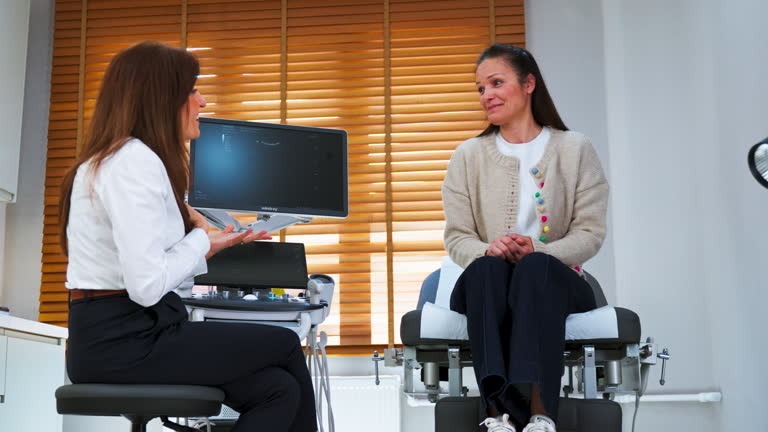
Finally, regular medical check-ups enable early detection of health issues before they escalate. Preventive care allows for timely interventions that preserve function and mobility. Taking an active role in one’s health by adhering to treatment plans and seeking advice fosters empowerment.
Incorporating these lifestyle choices creates a foundation for sustaining independence well into later years. By focusing on physical fitness, nutrition, mental engagement, social connections, restorative sleep, and proactive healthcare-including informed use of supplements like those referenced in the GHK-Cu guide-individuals can enhance their ability to live autonomously with confidence.
About the Author