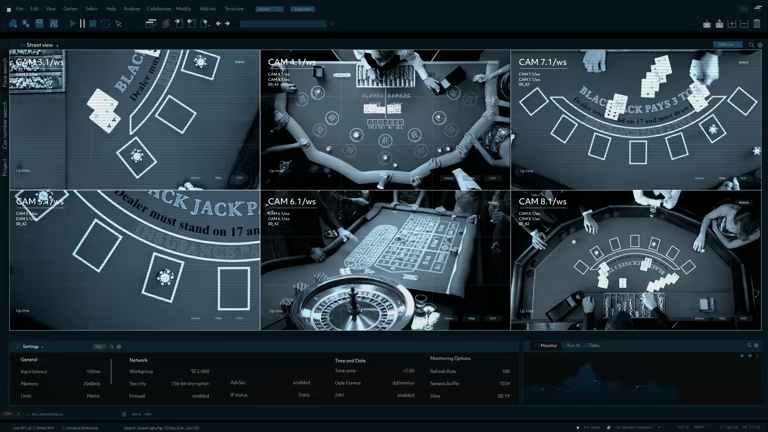
Engaging in skill and chance games on foreign licensed platforms has become increasingly popular as players seek diverse gaming experiences beyond their local markets. These platforms operate under licenses issued by regulatory authorities outside the player’s home country, offering access to a broader range of games and often more favorable terms. Understanding the dynamics of playing on such sites is crucial for making informed decisions about safety, legality, and overall enjoyment.
One key aspect to consider is the distinction between skill-based games and chance-based games. Skill games rely predominantly on a player’s ability, strategy, or knowledge to influence outcomes. Examples include poker variants where decision-making impacts results significantly. Conversely, chance games depend largely on random number generators or luck, such as slot machines or roulette. Foreign licensed platforms typically provide both categories but may have different regulations governing each type due to varying jurisdictional requirements.
Safety remains paramount when choosing to play on international sites. Reputable foreign licenses come from well-established regulators known for enforcing strict standards regarding fairness, security, and responsible gambling practices. Authorities like the Malta Gaming Authority (MGA), Gibraltar Regulatory Authority (GRA), or United Kingdom Gambling Commission (UKGC) ensure that operators adhere to rules designed to protect players’ funds and giochi senza AAMS personal information while promoting transparent game mechanics.
Additionally, understanding legal implications is essential before engaging with these platforms. While some countries permit their residents to use foreign-licensed gambling services without restrictions, others impose limitations or outright bans based on national laws aimed at controlling online gambling activities within their borders. Players should verify whether accessing such websites complies with local legislation to avoid potential penalties.
Payment options also differ when using foreign licensed gaming sites compared to domestic ones. International operators often support multiple currencies alongside various deposit and withdrawal methods tailored for global audiences including credit cards, e-wallets like Skrill or Neteller, bank transfers, and even cryptocurrencies in some cases. It is advisable for users to review transaction fees and processing times beforehand since these factors can impact convenience and costs associated with managing accounts abroad.
Another consideration involves customer support availability across time zones and languages given that many foreign platforms cater primarily toward an international clientele rather than focusing solely on one region’s players. Quality service can enhance user experience especially if issues arise related to account management or gameplay disputes.
In summary, playing skill and chance games on foreign licensed platforms offers expanded opportunities but requires careful evaluation of licensing credibility, legal standing in one’s country of residence, payment logistics, as well as customer service capabilities before participation begins. By approaching these elements thoughtfully individuals can enjoy diverse gaming environments securely while minimizing risks associated with cross-border online gambling activities.
About the Author